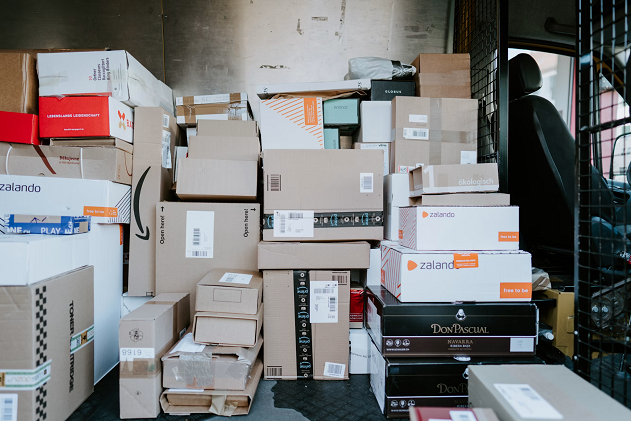
Waiting for a parcel can turn excitement into anxiety the moment a tracking page shows “Not found.” Online shops promise transparency, delivery apps tease minute-by-minute progress, yet a single data gap makes the entire chain feel unreliable. A stalled status often looks like a lost package, but most blank screens hide routine glitches that can be fixed with methodical steps rather than panic.
Much like selecting an evolution xxxtreme lightning roulette for real-time thrills, shoppers expect a tracking link to offer instant clarity. When that promise fails, disappointment rises quickly because modern buying habits revolve around immediate answers. The guide below breaks down the main reasons a tracking number may appear dead and explains practical tactics that restore visibility before frustration spills over.
First: Confirm the Basics
Before contacting couriers or retailers, verify core details. Mistyped characters, wrong carrier portals, and cached browsers account for an impressive share of “invalid” results. A second look at the confirmation email and a fresh browser tab often rescue the situation in seconds. This basic sanity check prevents long support queues and preserves goodwill for genuine errors.
Frequent Causes Behind Blank Status Screens
- Data Entry Delay
Parcels sometimes move hours before staff scan barcodes. No scan means no public record. - Cross-Carrier Transfers
International orders may change hands. The number works only on the new carrier’s site after hand-off. - Weekend Batch Updates
Smaller couriers upload tracking files once daily or only on business days, creating silent periods. - Auto-Redirect Failure
Marketplaces often guess the right carrier. A wrong guess sends the link to the wrong database. - Typographical Slipups
A single swapped digit makes a valid number invisible. Copy-and-paste can still add hidden spaces.
Wait or Act: Reading the Time Window
Many carriers advise allowing up to 24 hours after dispatch for a first scan. Newer warehouses keep scanning lines open around the clock, but regional depots might batch-process during the night. Patience feels risky, yet pressing the panic button too early clogs support channels and rarely speeds delivery. A good rule is to wait one full business day before escalating unless the parcel is time-sensitive or insured at a high value.
Contacting the Right Desk
Retailers frequently outsource fulfillment, and courier call centers vary in quality. Reaching the correct support layer saves time. Use the shipper’s reference instead of generic order numbers. Include postcode and destination country in the first message to bypass security checks. Screenshots of the blank tracking page help agents escalate faster.
Two short calls work better than one long rant: first to confirm a scan schedule, then to verify whether a manual trace has started. Couriers usually grant internal searches within forty-eight hours of a trace request.
Geo-Restrictions and API Glitches
Public tracking interfaces rely on application programming interfaces that may break without affecting parcel movement. Location-based content filters can also block certain widget scripts. Switching from mobile data to Wi-Fi, clearing cookies, or trying a virtual private network sometimes reveals hidden updates that were present all along.
Insurance and Compensation Deadlines
Every courier sets a time threshold after which a parcel is declared lost and compensation begins. Knowing that threshold keeps negotiations factual rather than emotional. Many domestic services mark fifteen working days as the cutoff; cross-border routes often need thirty. Start a diary entry the day the tracking number stops updating to prove diligence if a claim becomes necessary.
Step-by-Step Rescue Actions
- Re-enter the Number on Multiple Portals
Universal tracking sites sometimes pick up scans missed by official pages. - Call the Sender for a Reship Option
Large retailers prefer dispatching a replacement once a parcel appears stalled beyond protocol limits. - File a Formal Trace Request Early
Logged cases create reference IDs that speed insurance if the item never surfaces. - Leverage Social Media Support
Some carriers answer Twitter comments faster than email tickets, especially during peak seasons. - Set Up Push Alerts
Many courier apps allow custom notifications for future scans, reducing manual checks.
Managing Expectations With Recipients
When gifting or reselling, proactive communication prevents negative reviews. Share the carrier’s public timeline for investigations, offer alternative delivery addresses if possible, and outline next steps should the parcel fail to appear. Transparency protects reputation even when the outcome depends on third-party logistics.
The Psychological Side of Unseen Parcels
Modern consumers track pizza deliveries street by street, so waiting days for a location ping feels archaic. Recognizing this emotional shift helps businesses fine-tune customer service scripts. Agents who acknowledge anxiety before quoting policy win more patience than those reciting standard disclaimers. Empathy converts potential complaints into cooperative problem solving.
Final Thoughts
A non-functional courier tracking number rarely signals absolute loss. Most issues trace back to delayed scans, database hand-offs, or simple typos. By verifying basics, monitoring official delay windows, contacting the correct support tier, and documenting key dates, senders and recipients turn guesswork into structured action. Digital shopping habits thrive on transparency, and mastering these troubleshooting steps keeps that trust intact even when technology hesitates.